23 Jun 2026 ● Matt Farrah
Radiographer Career Guide: How to Become a Radiographer in the UK
Radiographers are highly skilled healthcare professionals who use advanced imaging and treatment technologies to help diagnose illnesses, monitor conditions, and deliver life-saving therapies. Their work is central to modern healthcare, supporting clinicians in making accurate diagnoses and delivering effective patient care.
Whether you're a student considering healthcare careers, a professional looking for a career change, or an international applicant interested in working in the UK, this guide explains everything you need to know about becoming a Radiographer.
Jobs for Radiographers
Discover Radiographer roles nationwide with public and private sector healthcare providers on our Radiographer jobs page. We aim to list more jobs than any other job board, alongside detailed information about each advertiser, so you can find the best job and employer match.
What Is a Radiographer?
A Radiographer is an allied health professional responsible for using medical imaging equipment and radiation-based technologies to support patient diagnosis and treatment. The profession is broadly divided into two specialisms: Diagnostic Radiography and Therapeutic Radiography.
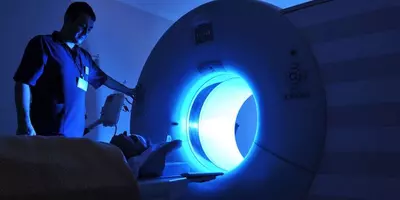
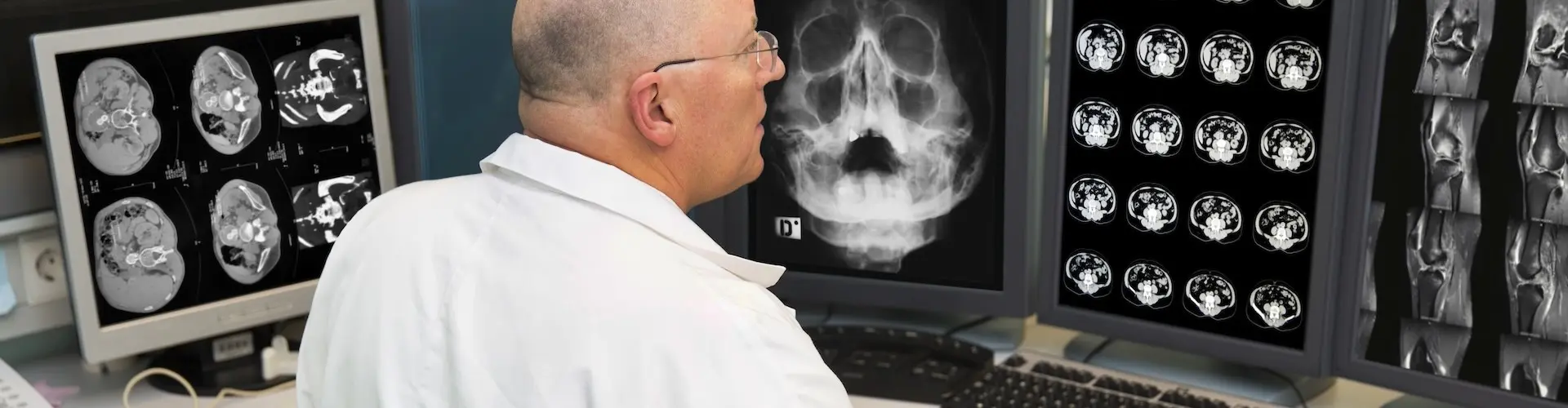
Diagnostic Radiographers produce images such as X-rays, CT scans, MRI scans, fluoroscopy studies, and mammograms that help clinicians investigate symptoms, diagnose diseases, and monitor treatment outcomes. Therapeutic Radiographers specialise in planning and delivering radiotherapy treatments for cancer patients.
Radiographers work with people of all ages and backgrounds, from emergency trauma patients and children requiring specialist imaging through to adults receiving long-term treatment for chronic illnesses or cancer.
The profession combines scientific knowledge, patient care, technical expertise, and communication skills. Every image captured or treatment delivered has a direct impact on clinical decision-making and patient outcomes.
According to NHS workforce data, millions of imaging examinations are performed annually across the UK, making Radiographers one of the most important professional groups supporting modern healthcare services.
Common job titles include:
- Diagnostic Radiographer
- Therapeutic Radiographer
- MRI Radiographer
- CT Radiographer
- Mammographer
- Interventional Radiographer
- Advanced Practitioner Radiographer
- Consultant Radiographer
- Sonographer (additional training required)
What Does a Radiographer Do Day to Day?
Daily responsibilities vary depending on the imaging modality, patient group, and healthcare setting.
Typical duties include:
- Reviewing referrals and clinical information
- Explaining procedures to patients
- Preparing patients for examinations or treatments
- Positioning patients safely and accurately
- Operating imaging or radiotherapy equipment
- Producing diagnostic-quality images
- Delivering radiotherapy treatment plans
- Maintaining radiation protection standards
- Monitoring patient wellbeing throughout procedures
- Recording clinical findings and treatment details
- Participating in quality assurance activities
- Supporting students and newly qualified colleagues
Radiographers work closely with:
- Radiologists
- Oncologists
- Nurses
- Surgeons
- Emergency medicine clinicians
- Physicists
- Healthcare assistants
- Allied health professionals
Technology commonly used includes:
- Digital X-ray systems
- MRI scanners
- CT scanners
- Fluoroscopy equipment
- Mammography units
- Ultrasound systems
- Radiotherapy linear accelerators
- Electronic patient record systems
Working environments may include:
- Acute hospitals
- Emergency departments
- Diagnostic imaging centres
- Community clinics
- Cancer treatment centres
- Operating theatres
- Mobile imaging units
Why Become a Radiographer?
Many people choose Radiography because it combines healthcare, science, technology, and patient interaction within a highly respected profession.
Benefits of a Radiography career include:
- Making a meaningful difference to patient outcomes
- Working with cutting-edge healthcare technology
- Strong demand for qualified professionals
- Multiple specialist career pathways
- Opportunities across public and private healthcare
- Competitive salaries and pension benefits
- Flexible working opportunities
- Ongoing professional development
Radiography also offers excellent long-term career security. As healthcare services continue to expand diagnostic and treatment capacity, demand for skilled imaging professionals remains consistently strong across the UK.
Where Do Radiographers Work?
Radiographers work across a diverse range of healthcare settings, including:
- NHS hospitals
- Teaching hospitals
- Community diagnostic centres
- Specialist cancer centres
- Private hospitals
- Independent imaging providers
- Mobile diagnostic services
- Military healthcare facilities
- Research organisations
- Universities and education providers
- Healthcare recruitment agencies
- Insourcing and outsourced imaging services
Employers currently advertising for Radiographer jobs include:
Skills and Qualities Needed
Clinical Skills
- Anatomy and physiology knowledge
- Radiation protection principles
- Patient assessment
- Clinical decision-making
- Imaging acquisition techniques
- Treatment planning knowledge
Soft Skills
- Communication
- Empathy
- Emotional intelligence
- Teamworking
- Adaptability
- Professionalism
- Attention to detail
Technical Skills
- Advanced imaging systems
- Radiotherapy technologies
- PACS systems
- Electronic patient records
- Digital reporting platforms
- Quality assurance processes
Qualifications and Training
1. Standard Undergraduate Route
The most common route is completing an HCPC-approved degree in Diagnostic Radiography or Therapeutic Radiography.
Most university programmes require:
- A Levels or equivalent qualifications
- GCSEs including English, Maths and Science
- Satisfactory health and DBS checks
Graduates can apply for HCPC registration upon successful completion of their programme.
2. Apprenticeships
Diagnostic Radiographer Degree Apprenticeships are becoming increasingly available throughout the UK.
These programmes allow learners to:
- Earn while they train
- Gain workplace experience
- Achieve the same professional registration outcome
3. Career Change Routes
Many mature students and career changers enter Radiography after previous careers in healthcare, science, education, engineering, or the armed forces.
Experience in healthcare support roles can strengthen university applications and provide valuable patient care exposure.
4. Specialist Post-Registration Courses
After qualification, Radiographers may undertake additional education in:
- MRI
- CT
- Mammography
- Ultrasound
- Reporting Radiography
- Interventional Radiology
- Advanced Clinical Practice
- Radiotherapy Planning
5. International Applicants
International Radiographers must typically:
- Hold recognised qualifications
- Demonstrate English language proficiency
- Meet HCPC registration requirements
- Satisfy UK immigration requirements where applicable
How Long Does It Take To Become a Radiographer?
Most undergraduate Radiography programmes take three years of full-time study. Degree apprenticeships generally take between three and four years depending on the programme structure and employer.
Training combines academic study with extensive clinical placements, allowing students to gain practical experience across a range of healthcare settings before applying for professional registration.
Radiographer Salary and Pay Bands
Radiographer salaries vary according to experience, employer, location, and specialism.
Typical NHS pay bands include:
- Band 5: Newly qualified Radiographer
- Band 6: Experienced or specialist practitioner
- Band 7: Advanced Practitioner or Team Leader
- Band 8+: Consultant, Service Manager, or Clinical Lead
Additional earnings may be available through:
- Unsocial hours enhancements
- Weekend working
- Bank shifts
- On-call arrangements
- High-cost area supplements in London
Private sector salaries often differ from NHS pay structures and may include enhanced benefits packages, performance incentives, or specialist allowances.
Radiographer Pay Guide
Find out more information about pay in our Radiographer Pay Guide which you can jump into for a full, deep dive into salary and pay rates for this job role. We keep all of our pages up to date, using trusted sources and humans, so this is accurate information.
Career Progression and Specialisms
A typical Radiography career pathway may look like:
Newly Qualified Radiographer → Senior Radiographer → Advanced Practitioner → Consultant Radiographer → Clinical Lead → Imaging Services Manager
Popular specialist areas include:
- MRI
- CT
- Mammography
- Interventional Radiology
- Nuclear Medicine
- Radiotherapy
- Ultrasound
- Reporting Radiography
Alternative progression routes include:
- Education and lecturing
- Clinical research
- Service management
- Healthcare leadership
- Professional consultancy
Pros and Cons of Being a Radiographer
Pros
+ Meaningful patient impact
+ Strong career stability
+ Excellent development opportunities
+ Access to advanced healthcare technology
+ Diverse specialisms
+ Competitive benefits packages
Cons
- Exposure to emotionally difficult cases
- Busy clinical environments
- Shift work in some settings
- Continuous learning requirements
- Physical demands of patient positioning
A Day in the Life of a Radiographer
A typical shift may begin with reviewing imaging requests, prioritising urgent examinations, and preparing equipment. Throughout the day, Radiographers assess patients, perform imaging procedures, liaise with clinicians, and ensure all safety protocols are followed.
Many professionals highlight the variety of work, patient interaction, and teamwork as the most rewarding aspects of the role.
Is a Radiographer Career Right for You?
Radiography may be a good fit if you:
- Enjoy science and technology
- Want to work directly with patients
- Like solving problems
- Communicate confidently
- Thrive in team environments
- Can remain calm under pressure
- Want a career with clear progression opportunities
Those who enjoy combining technical expertise with patient care often find Radiography a highly rewarding profession.
How to Apply for Radiographer Jobs
Create job alerts to receive the latest Radiographer vacancies directly to your inbox.
You can also register your CV to allow employers and recruiters to contact you about suitable opportunities and career progression options.
FAQs About Becoming a Radiographer
Can you become a Radiographer without a degree?
In most cases, no. To practise as a Diagnostic or Therapeutic Radiographer in the UK, you must complete an approved qualification that leads to HCPC registration. Degree apprenticeships provide an alternative route but still result in degree-level qualification.
Can newly qualified healthcare professionals become Radiographers?
Radiography is a separate regulated profession, so candidates must complete recognised Radiography training before practising. Newly qualified Radiographers regularly secure permanent roles following graduation.
Are there part-time or flexible Radiographer roles?
Yes. Employers increasingly offer part-time positions, flexible hours, compressed working weeks, bank work, and locum opportunities.
Can international healthcare professionals work as Radiographers in the UK?
Yes, provided they meet HCPC registration requirements, immigration requirements where applicable, and any employer-specific criteria.
Is Radiography a good long-term career?
Radiography offers strong employment prospects, multiple specialist pathways, leadership opportunities, and ongoing demand across healthcare services.
What's the difference between Diagnostic and Therapeutic Radiography?
Diagnostic Radiographers focus on medical imaging to support diagnosis, while Therapeutic Radiographers specialise in radiotherapy treatment for cancer patients.
Which Radiography specialism pays the most?
Advanced practice, reporting radiography, consultant-level positions, and some highly specialised imaging modalities often attract higher salary levels.
Is Radiography in demand in the UK?
Yes. Workforce demand remains high across both NHS and independent healthcare sectors due to growing diagnostic and treatment requirements.